 (916) 434-2759


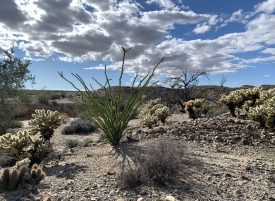
Wildlife Heritage Foundation 2024 Annual Conservation Easement Monitoring
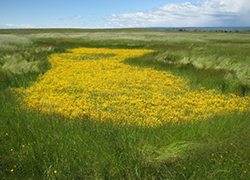
Wildlife Heritage Foundation’s obligation of stewarding wild and working lands across nearly 200 California easement preserves takes us to some pretty rugged and breathtaking places! Perhaps no more so than our approximately 100 conservation easement parcels encompassing over 13,000-acres in … Read more

Conservation Confluence February 2020
NEWS FROM WHF
WHF’s physical office closed earlier this week in support of public health directives designed to minimize the spread of COVID-19.
The staff are now operating from our respective home offices. Our habitat management and stewardship activities will … Read more

Trivia Night October 22, 2020
Gather your friends and join us for our Second Annual Trivia Night Fundraiser on October 22, 2020 at the Blue Goose in Loomis. Enjoy an evening of sampling food and sips from local restaurants, breweries, and wineries while playing a friendly trivia competition. ... Read more
Conservation Confluence January 2020
NEWS FROM WHF
FIELD TRIP SEASON IS HERE!
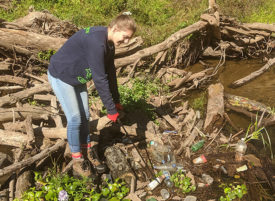
WHF staff held a different kind of staff meeting recently, spending a few hours preparing one of our wetland preserves for spring field trips. Staff removed invasive plants including Himalayan blackberry and